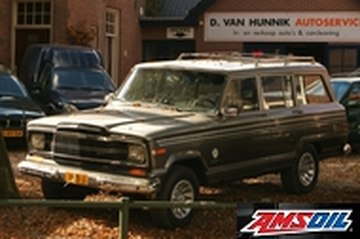
Engine Lubrication Care for the 1981 Jeep WAGONEER 5.9L
Maintaining a large-displacement engine requires consistent attention to lubrication quality and system integrity. For owners of a 1981 Jeep WAGONEER equipped with the 5.9L engine, routine service is not merely about changing fluids; it is about monitoring the overall health of the mechanical components that rely on those fluids to operate smoothly.
Monitoring Fluid Integrity and Potential Seepage
As vehicles age, the materials used in various seals and gaskets can undergo changes in flexibility. For a 1981 model, regular visual inspections are a practical way to stay ahead of potential issues. Rather than waiting for a significant leak to occur, an owner should periodically inspect the engine area for signs of seepage or staining.
When performing routine maintenance, look for the following:
- Surface Seepage: Check around various gaskets and seals for any evidence of oily residue that may indicate slow weeping.
- Fluid Color and Consistency: If you are checking levels, observe the appearance of the lubricant. Significant darkening or a gritty texture can be an indicator of extended service intervals or internal contamination.
- Accumulated Residue: Heavy buildup of grime around specific areas can sometimes mask small, slow leaks that warrant investigation.
If you notice any unexpected fluid loss or new staining in the engine bay, it is advisable to investigate the source. Identifying a minor seepage early can prevent more significant mechanical complications later.
Observing Operational Warning Signs
The way an engine behaves during operation provides valuable feedback regarding its lubrication state. While symptoms can have many different causes, certain changes in performance or sound should never be ignored. If you notice unusual characteristics while driving or idling the 5.9L engine, it may indicate that a closer inspection is necessary.
Be mindful of any new mechanical noises that coincide with engine operation. Similarly, if you observe changes in exhaust output—such as smoke that appears different from the vehicle's normal operating state—this can be associated with various internal conditions. Furthermore, any sudden changes in how the engine responds to throttle or idling should be investigated by a professional to rule out lubrication-related issues or other mechanical concerns.
Prioritizing Long-Term Maintenance Decisions
For an older vehicle like the 1981 Jeep WAGONEER, maintenance strategy often shifts from strictly following a calendar to focusing on the actual condition of the machine. If you are stepping into ownership without a complete service history, establishing a baseline is a highly effective first step.
This process involves performing a thorough inspection of all fluids and major components to understand the current state of the vehicle. Once a baseline is established, you can better track changes over time. For example, if you notice that the engine requires more frequent top-offs than it did six months ago, you have a measurable data point to discuss with a technician.
When deciding where to allocate maintenance resources, prioritize active concerns. Addressing an existing leak or a noticeable change in fluid condition is generally more critical than performing preemptive replacements on components that appear to be in good working order. Keeping a detailed log of every oil change, filter replacement, and observed inspection result will assist in making these informed decisions as the vehicle continues to age.
Managing Aging Engine Components
Beyond the lubrication system, other parts of the engine compartment require periodic attention. If equipped, inspect accessible drive belts for signs of wear such as cracking, glazing, or fraying. Similarly, if the vehicle is present with various rubber hoses, check them for excessive softness, hardening, or visible cracks.
Electrical connections and wiring harnesses should also be inspected for signs of corrosion or brittle insulation. Maintaining clean and secure electrical paths ensures that sensors and ignition components can function as intended. By combining these general inspections with regular oil service, you create a comprehensive approach to preserving the mechanical integrity of the 5.9L engine.
The Role of Lubrication in Engine Health
Engine oil performs several vital roles that go beyond simple lubrication. It acts as a medium for heat management, helping to carry thermal energy away from high-friction areas within the engine block. Additionally, modern lubricant formulations are designed with additives that assist in deposit control, helping to prevent the buildup of sludge and other contaminants that can interfere with mechanical movement.
Maintaining clean oil is essential for ensuring that these functions are performed effectively. Contaminants in the oil, whether from combustion byproducts or environmental debris, can degrade the lubricant's ability to protect internal surfaces. Regular service ensures that the chemical properties of the oil remain capable of providing the necessary protection and cleaning throughout the service interval.
Practical Guidance for BUYING ENGINE OIL for your 1981 Jeep WAGONEER 5.9L
When it is time to replenish your engine's lubricant, the most important step is to ensure the product matches the specific requirements of your application. Because different engines have unique needs regarding additive packages and base oils, you should always refer to the vehicle-specific oil viscosity and application information provided on this webpage.
As you shop for products, keep these practical tips in mind:
- Verify Labeling: Always check the product container to ensure the SAE viscosity matches what is listed in your application data.
- Consider Formulations: Depending on your specific needs and the current condition of your engine, you may choose between conventional, synthetic blend, or full synthetic oils. Some high-mileage oil formulations also contain additives intended for use in aging engines, including seal-conditioning additives.
- Check Certifications: Look for appropriate API (American Petroleum Institute) service classifications on the bottle to ensure the oil meets modern quality standards for engine protection and deposit control.
- Avoid Assumptions: Do not rely on general knowledge or assumptions based solely on the age of the vehicle; always prioritize the specific viscosity information displayed in the application details above.
By matching your purchase to the documented specifications for your 1981 Jeep WAGONEER, you ensure that the lubrication system receives the exact type of fluid necessary for its continued operation.